Mild steel vs stainless steel: choosing the right material for fabrication
Mild steel or stainless for your fabrication project? Cost, corrosion, strength, weldability and finishing compared by a working fabricator — plus when aluminium is the better answer.
"Should this be stainless?" is one of the most common questions we get at quote stage — usually followed by a sharp intake of breath at the price difference. Here is how we think about the choice, and how to avoid paying for stainless where mild steel would do.
Cost
Stainless steel typically costs several times more than mild steel per kilogram, and it is slower to cut and weld, so labour goes up too. On a painted frame that lives indoors, that premium buys you nothing. On a tank that holds product or sits outside in the wet, it can be the cheapest option over the life of the part.
Corrosion resistance
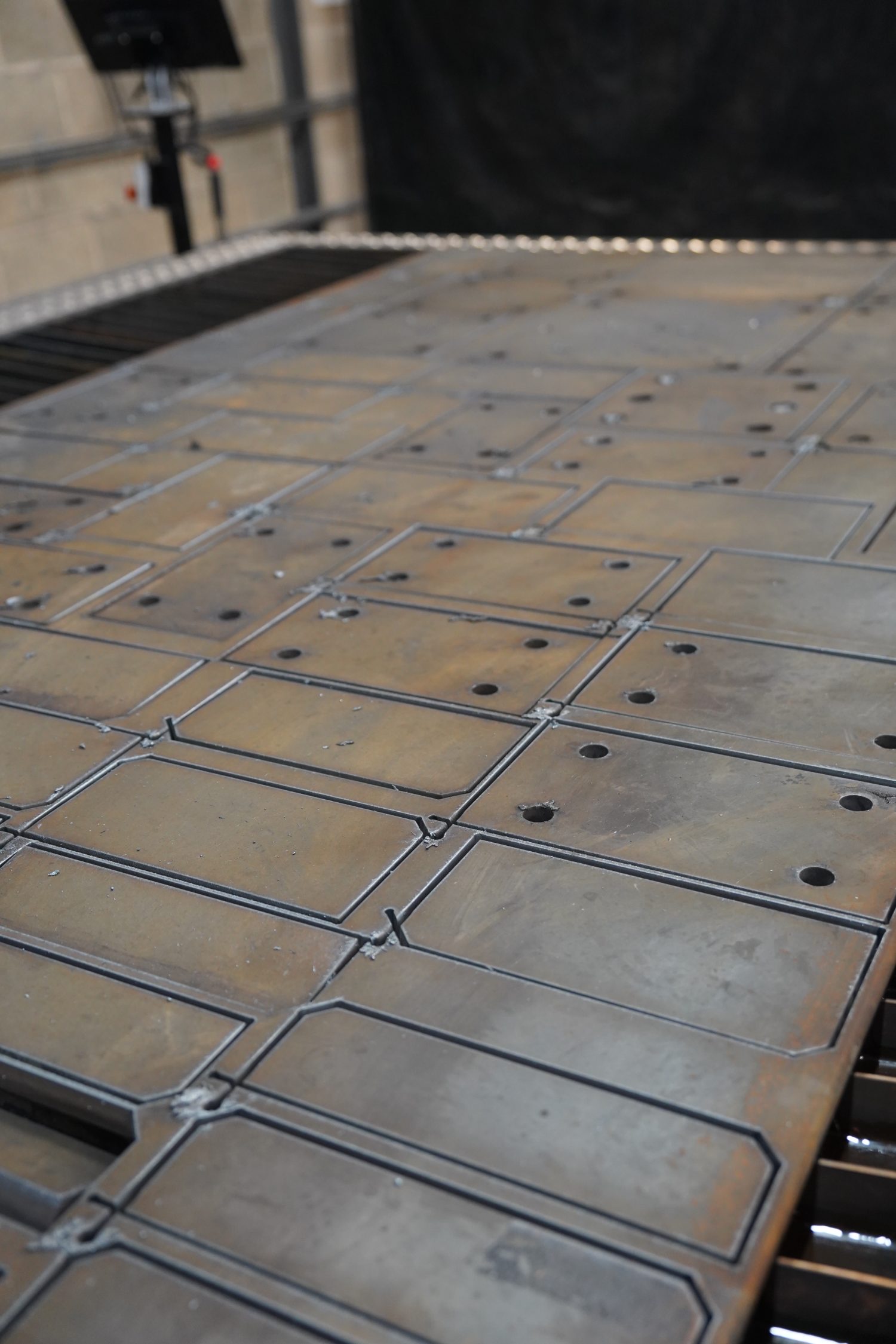
Mild steel rusts unless it is protected — primed and painted, powder coated or hot-dip galvanised. Those finishes work well and are how most structural and industrial steel is specified. Stainless resists corrosion by itself: grade 304 for general and food use, 316 where there is salt, chlorides or chemicals. If the part will be washed down, hold liquids or sit in a coastal or chemical environment, stainless earns its keep.
Strength and weldability
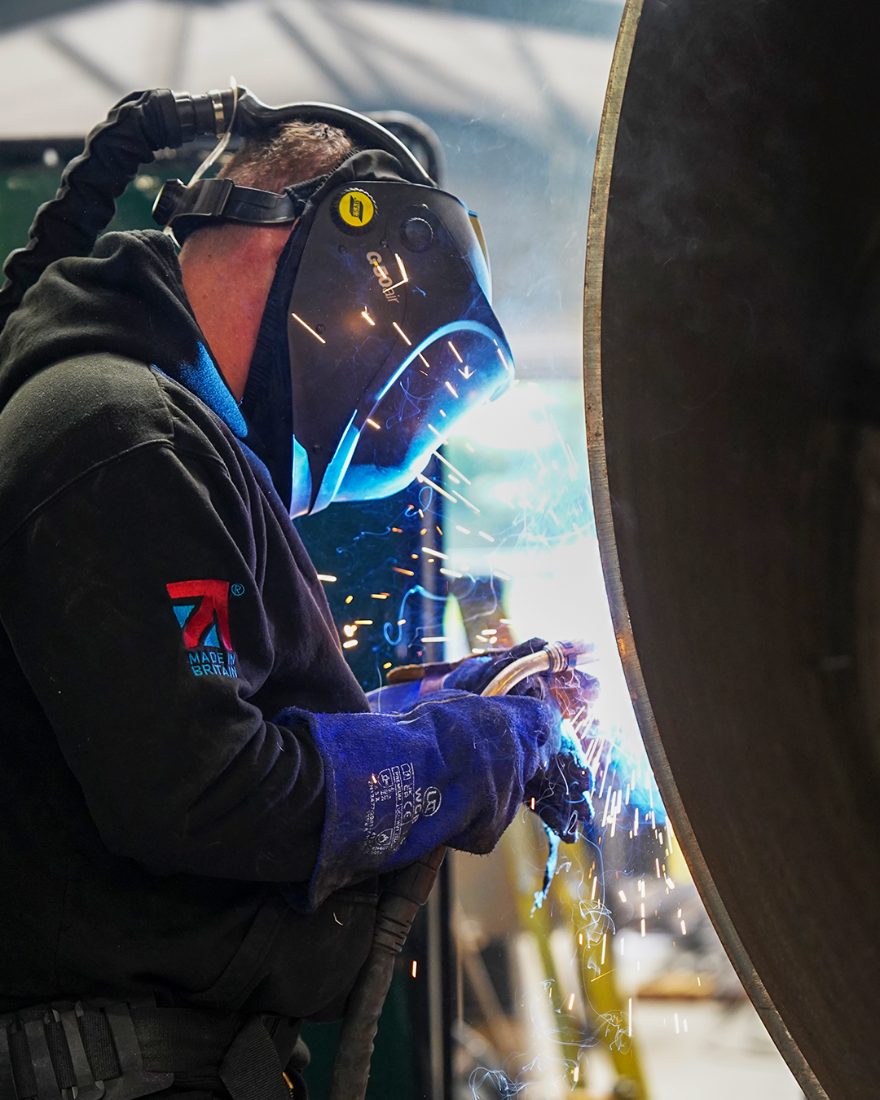
For most fabrication the strength difference is not the deciding factor — both are plenty strong for frames, brackets and platforms, and structural sections are almost always mild steel to a specified grade. Mild steel is more forgiving to weld and cheaper to fabricate. Stainless welds well but needs care: more heat distortion, dedicated consumables and clean handling to avoid contamination.
Finish and appearance
Mild steel can be finished almost any colour. Stainless is usually left in its mill finish, brushed or polished — good where hygiene or looks matter, but scratches show and the surface must be kept free of carbon steel contamination. If you want a stainless look on a budget, a galvanised or painted mild steel part is often the answer.
A word on aluminium
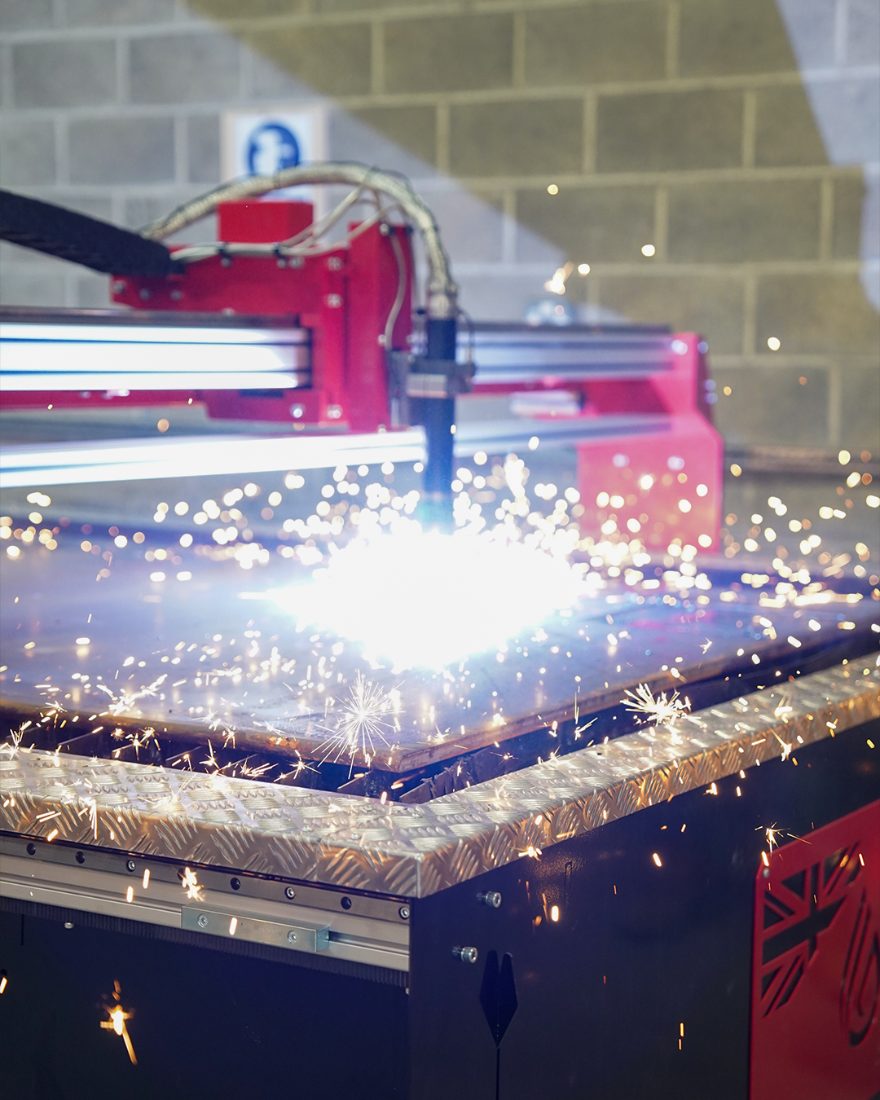
Where weight matters — covers, guards, trolleys, anything lifted by hand — aluminium is worth considering. It is corrosion resistant, light and easy to cut, though softer and less rigid than steel. We profile and fabricate all three.
Our advice
- Indoors, dry, painted: mild steel
- Outdoors or damp: galvanised mild steel unless hygiene demands stainless
- Food, drink, pharma, wash-down: stainless 304
- Salt, chlorides, chemicals: stainless 316
- Lifted by hand: consider aluminium
Not sure? Tell us where the part will live and what it does when you request a quote and we'll recommend the right material — not the most expensive one. See our bespoke steel fabrication service.