Plasma cutting vs laser cutting: which is right for your steel parts?
Plasma or laser for your steel profiles? A fabricator's plain-English guide to thickness, edge quality, tolerance, cost and lead time — and when each process is the right call.
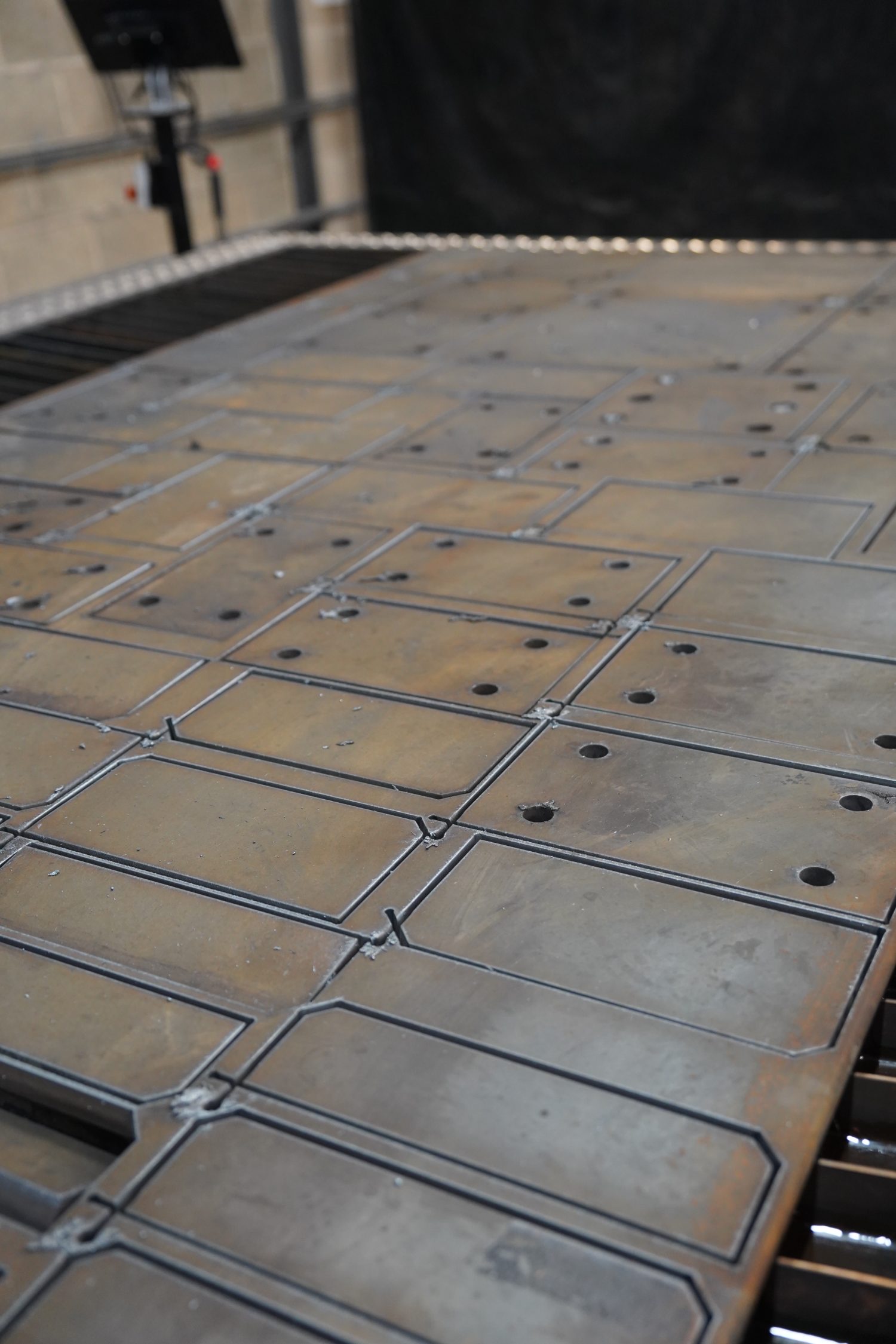
Ask three fabricators which is better, plasma or laser, and you will get three answers. The honest one is: it depends on the part. Both are CNC processes that cut flat plate from a digital drawing, but they suit different thicknesses, tolerances and budgets. Here is how we advise our own customers.
How each process works
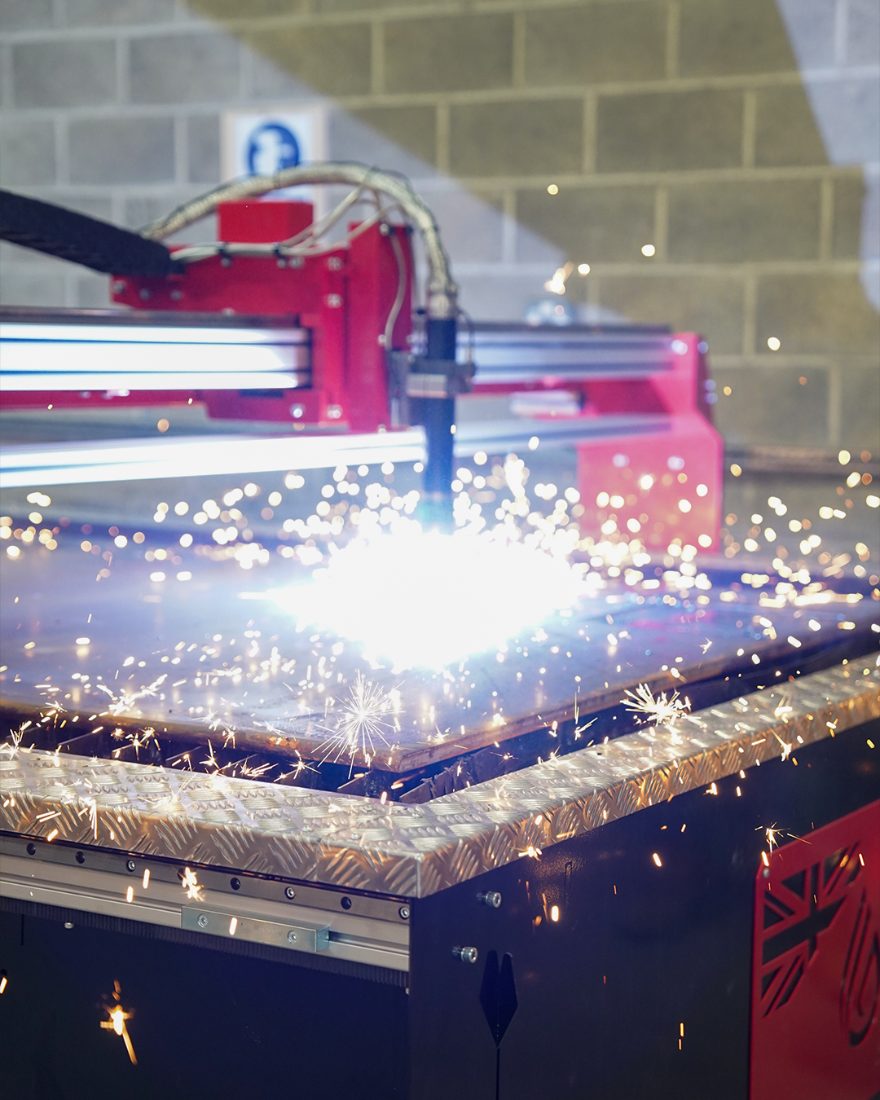
Plasma cutting forces a high-temperature ionised gas through a narrow nozzle to melt through electrically conductive metal. Laser cutting focuses a high-power beam to melt or vaporise material along the cut path. Both are driven by the same kind of DXF file and a CNC table; the difference is in the heat source and what it does to the plate.
Material thickness
This is the biggest deciding factor. Laser excels on thin sheet — where its narrow kerf and fine detail shine. As plate gets thicker, laser slows down sharply and the cost per part climbs. Plasma is comfortable on medium and heavy plate and stays quick, which is why most structural and industrial profiling is plasma-cut. For the brackets, base plates, flanges and gussets that make up everyday fabrication, plasma is usually the sensible choice.
Edge quality and tolerance
Laser gives a cleaner, squarer edge with very little dross and holds tighter tolerances. A good CNC plasma table gives an edge that is more than adequate for welding and general fabrication, with a slight bevel and some dross that is dressed off. If a part has a critical fit — a machined-tolerance hole or a precise slot — we'll either laser it or plasma cut oversize and finish by drilling or machining.
Cost and lead time
Plasma machines cost far less to buy and run, and that saving is passed on in the price of the part — particularly on thicker plate and larger quantities. Lead time follows the same logic: heavy plate that would tie up a laser for hours comes off a plasma table in minutes.
When plasma is the right call
- Mild steel, stainless or aluminium plate in medium to heavy thicknesses
- Structural and industrial parts that will be welded, painted or galvanised
- Brackets, plates, flanges, gussets, guards and wear parts
- Batch runs where cost per part matters
- Parts that go straight on to fabrication in the same workshop
When to choose laser
- Thin sheet with fine detail or very small holes
- Decorative work where the cut edge is the finished surface
- Tight-tolerance features that will not be machined afterwards
What we do at M&S
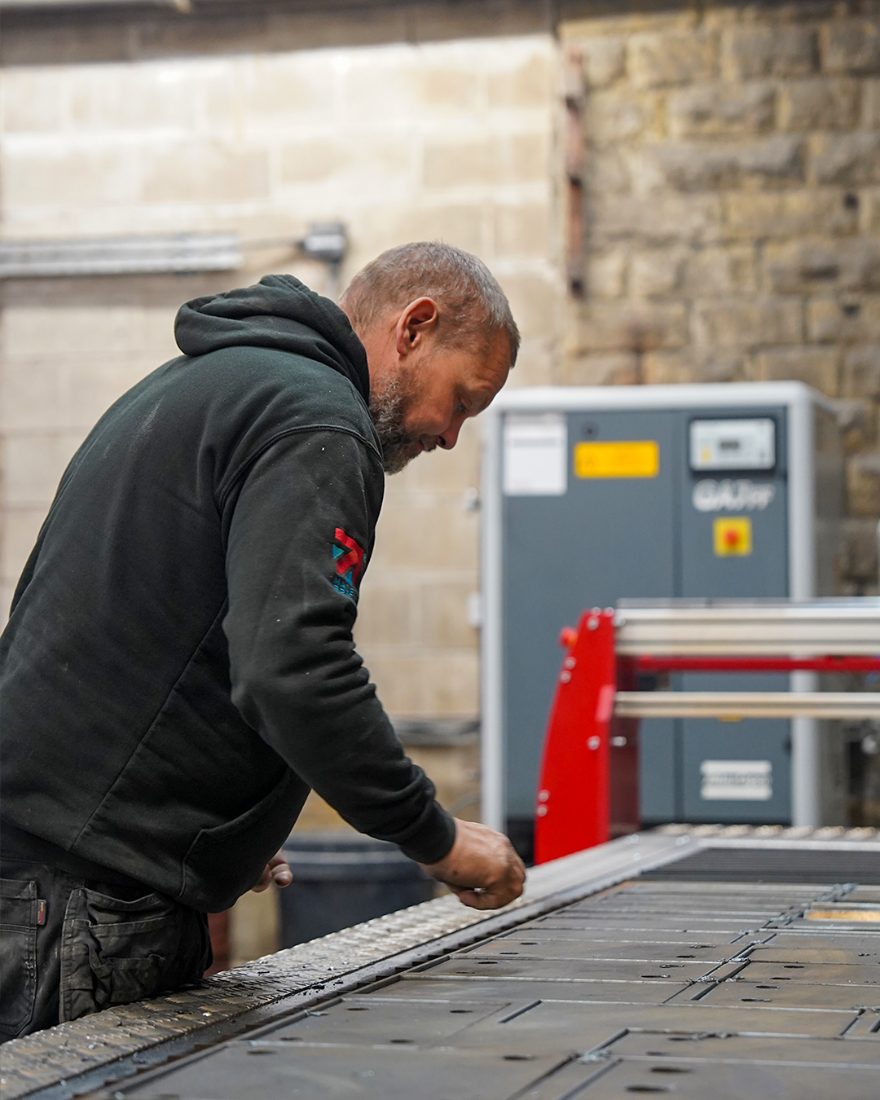
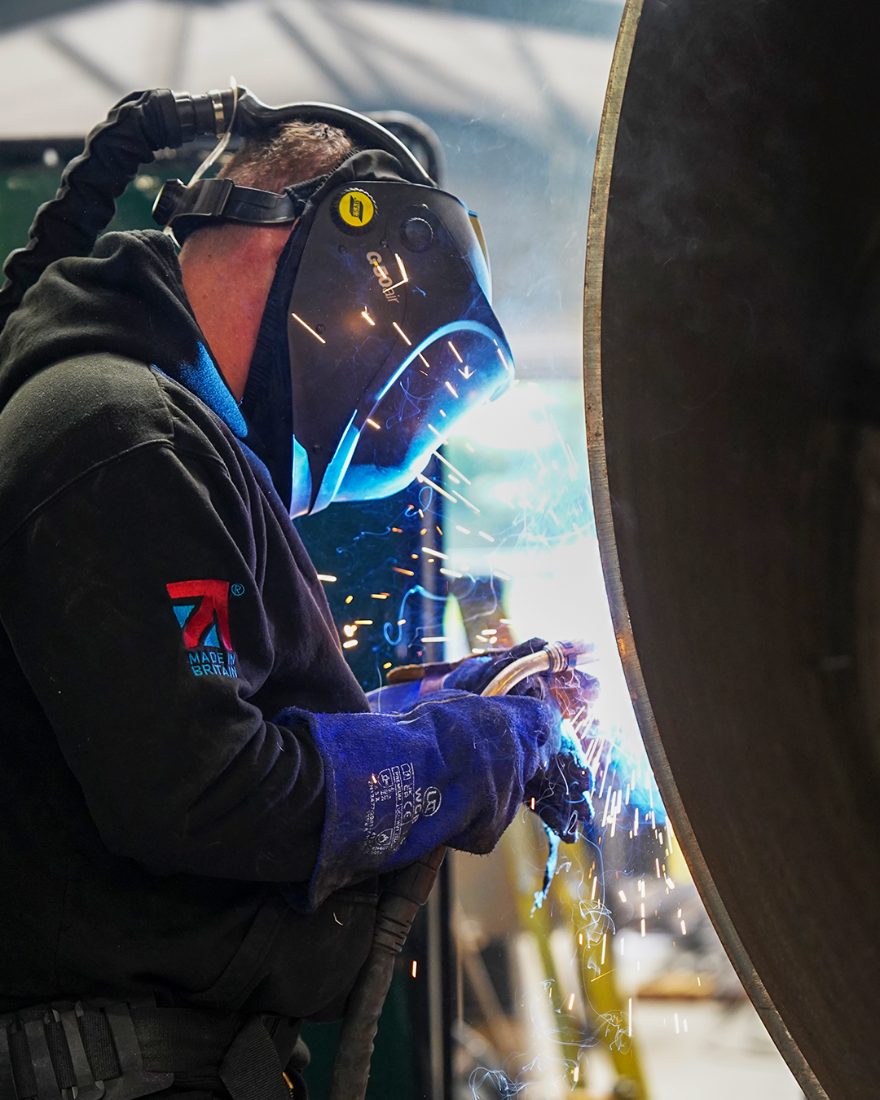
We run our own CNC plasma table in Greater Manchester and fabricate most of what we cut. If your part genuinely suits laser or waterjet better, we'll tell you and point you in the right direction — we would rather you get the right part than the wrong one from us. Send a DXF to get a quote or read more about our CNC plasma cutting service.